April 23, 2026
Your roof is one of the most important parts of your home, but many warning signs can go unnoticed until a small issue becomes a much larger problem. Because the roof is constantly exposed to wind, rain, sunlight, temperature shifts, and seasonal debris, even a well-built system can begin to show signs of wear over time. When damage develops, acting quickly can help protect the rest of the home from water intrusion, structural deterioration, insulation problems, and rising repair costs. That is why homeowners benefit from knowing what to look for before a roofing issue becomes an emergency.
Spotting early signs of trouble can make it easier to decide when it is time to call a roofer. Some warning signs appear outside the home, while others show up indoors through leaks, stains, or changes in comfort. According to This Old House, about 31% of homeowners across the country have completed roof renovation, repair, or maintenance work within the last three years. That statistic reflects how common roofing concerns can be and why prompt attention matters. When you know the signs your roof may need immediate attention, you are in a better position to protect your home and make informed decisions about repairs.
1. Looking for Missing or Damaged Shingles
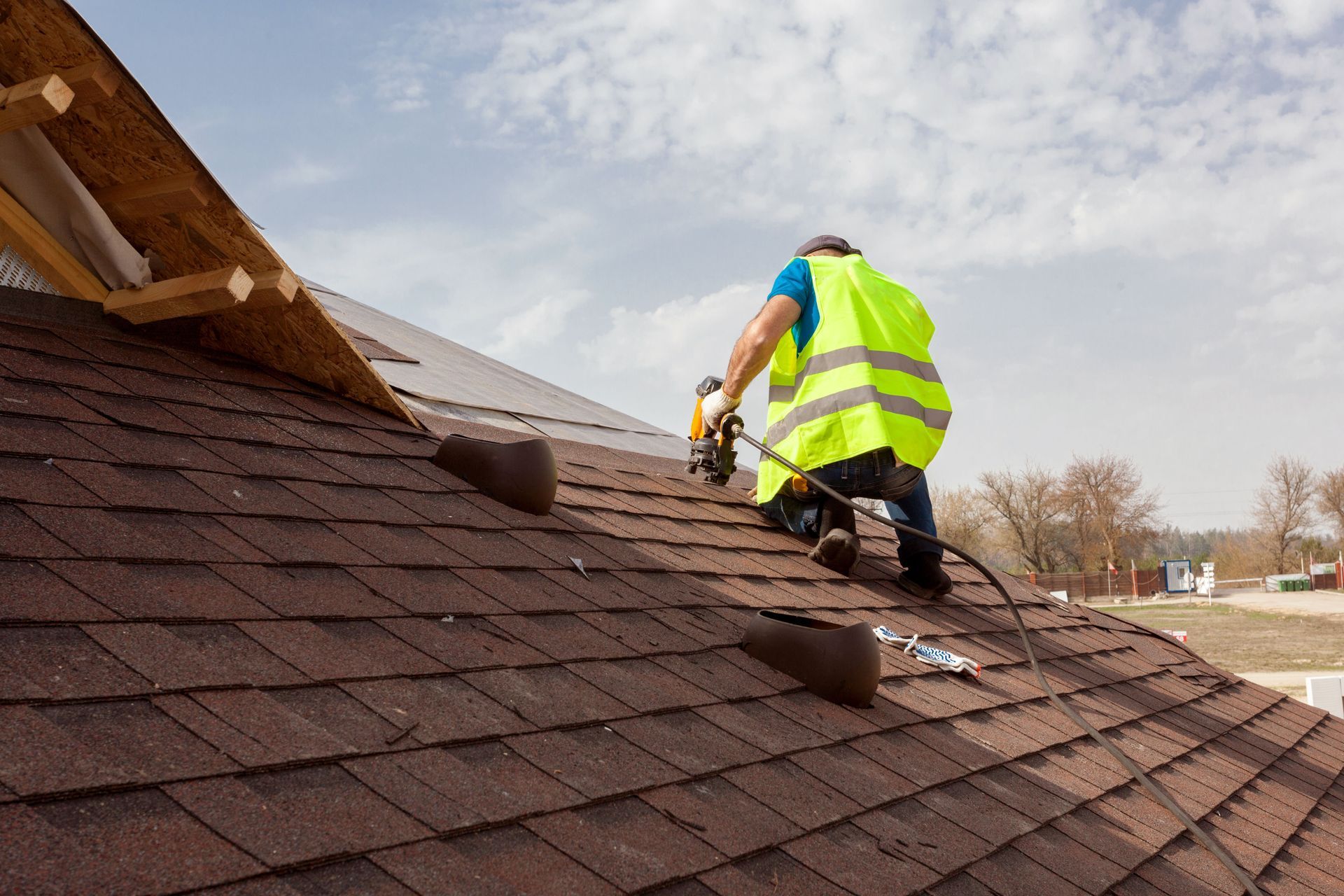
One of the clearest signs that a roof may need immediate attention is visible shingle damage. Missing shingles, curled edges, cracked surfaces, or bald spots where granules have worn away can all signal that the roof is no longer providing the level of protection it should. Shingles are designed to shield the layers beneath them from moisture and weather exposure. When they become damaged or start to separate from the roof, the chance of leaks and additional wear increases. Even if the problem seems limited to one area, that section can create a weak point that affects the rest of the system.
Shingle problems can develop gradually or appear suddenly after a storm. Strong winds may lift or tear shingles away, while long-term exposure to sun and rain can cause materials to deteriorate over time. If multiple shingles look worn or uneven, the issue may go beyond a simple patch. A qualified roofer can assess whether the problem is isolated or whether the damage points to broader aging across the roof. Catching this type of issue early can help reduce the risk of more serious structural problems later.
2. Watching for Water Stains Indoors
Not every roofing problem announces itself from the outside. In many homes, some of the earliest warnings appear indoors. Water stains on ceilings or upper walls often suggest that moisture is getting past the roofing system and making its way into the home. These stains may appear as yellowish or brown rings, bubbling paint, or discolored patches that keep growing over time. Even a small mark should be taken seriously because it may point to a leak that has already traveled from the roof through insulation, decking, or framing before becoming visible inside the living space.
Indoor signs of moisture should never be ignored, especially if they are accompanied by musty odors, peeling paint, or damp attic insulation. Water intrusion can damage far more than the roof itself. It may affect drywall, wood framing, insulation, and even electrical systems if left unresolved. A professional roofer can trace the source of the leak and determine whether the issue is tied to worn materials, flashing damage, or another weak point in the roof. Quick action can help stop a leak before it spreads further through the home.
3. Checking for Sagging Roof Areas
A sagging section of the roof is a serious sign that the structure may need immediate attention. Rooflines should generally appear straight and even. If part of the roof looks dipped, uneven, or bowed, that can suggest trapped moisture, weakened decking, structural strain, or long-term deterioration beneath the surface. Sagging does not happen without a cause, and it often signals that the problem extends deeper than the visible roofing materials. This is not the kind of issue that improves on its own, and waiting can increase the risk of collapse or extensive repairs.
In some cases, sagging may develop slowly enough that homeowners do not notice it right away. That is why it helps to occasionally step back and look at the roofline from different angles around the property. If one area seems lower than the rest or looks unusually soft, it is time to have it inspected. A roofer can evaluate whether the problem is limited to one section or whether it points to larger structural concerns. When the shape of the roof changes, immediate attention is often the safest response.
4. Paying Attention to Moss, Algae, or Debris Buildup
Organic growth and debris accumulation may seem like cosmetic concerns at first, but they can also signal roofing trouble. Moss can trap moisture against the surface of the roof, while piles of leaves and branches can block drainage and create damp areas that encourage deterioration. Algae streaks may not always mean serious structural damage, but they can indicate that moisture is lingering on the roof longer than it should. Over time, these conditions may contribute to material breakdown and make other roofing problems more likely.
Homes with shaded roof sections are especially prone to this issue because those areas may stay damp for longer periods. If moss begins to lift shingles or debris is collecting in roof valleys, the problem deserves more than routine cleaning. It may point to drainage issues, ventilation concerns, or sections of the roof that are aging poorly. A roofer can determine whether the buildup is simply a maintenance matter or a sign that the roof needs repairs to prevent more serious damage.
5. Listening for Signs After Severe Weather
Storms often leave behind roofing damage that is not fully visible from the ground. High winds, hail, falling limbs, and heavy rain can all weaken a roof in ways that become more obvious over time. After a severe weather event, homeowners may notice loose materials, new leaks, scattered shingles in the yard, or debris resting on the roof. Even if no immediate leak appears, the storm may have compromised the roof’s ability to protect the home during the next round of bad weather. That is why post-storm inspections are so important, and a professional roofer can help identify hidden damage early.
Weather-related damage can be especially deceptive because the roof may still look mostly intact at first glance. Small tears, loosened flashing, or bruised shingles may not stand out right away, yet those issues can worsen quickly. If your area has recently dealt with strong weather, it is wise to stay alert for changes in the days that follow. When a roof has taken a hit, prompt evaluation can make the difference between a manageable repair and a more extensive project later on.
Your roof may need immediate attention if you notice missing shingles, water stains, sagging areas, granule loss, flashing damage, buildup on the surface, or signs of storm-related wear. These issues can start small, but they rarely stay that way when left untreated. The sooner a problem is identified, the better your chances of protecting the structure of your home and avoiding more expensive damage. Working with an experienced roofer can help you address these concerns before they worsen. If you have noticed any of these warning signs, contact Seal-Rite Roofing & Siding to schedule a professional evaluation and discuss the next steps for your roof.