February 13, 2026
The lifespan of a roof is a critical factor for homeowners and property managers. It affects maintenance costs, home value, and the overall safety of the building. In this article, we will explore the various factors that impact how long a roof lasts and how professional roofers can help maximize its longevity.
How Do Roofing Materials Affect a Roof's Lifespan?
According to This Old House, an average roof lasts between 25 and 50 years, depending on the quality, durability, and type of roofing material. Asphalt shingles are the most common roofing material due to their affordability and straightforward installation. They are composed of a base mat, a layer of waterproof asphalt, and ceramic-coated mineral granules. Regular maintenance, such as inspecting for curling or cracking, can help extend the life of asphalt roofs.
Selecting appropriate materials based on climate and building structure is crucial for optimal roof performance. The wrong choice, such as using wood in a high-humidity region, can drastically reduce a roof's lifespan due to environmental incompatibility. High-quality materials, while initially more costly, provide greater durability, reducing the need for frequent repairs. Proper material selection balances aesthetics, function, and longevity, tailored to specific environmental demands. A material well-fit for the environment can ensure a roof lasts its expected lifespan or longer.
How Do Temperature Fluctuations Affect a Roof's Lifespan?
Temperature fluctuations can significantly impact the lifespan of a roof, especially in climates with extreme variations. Frequent cycles of freezing and thawing can cause materials to expand and contract, potentially leading to cracks and structural weaknesses. Asphalt shingles are particularly susceptible to damage from temperature swings, resulting in a shorter lifespan if not maintained properly. Metal roofs, however, are more resilient to these changes, providing better durability. Proper ventilation and insulation can mitigate some impacts of temperature extremes, extending the roof’s life.
How Do Humidity Levels Affect a Roof's Lifespan?
High humidity levels can accelerate the deterioration of roofing materials, particularly wood and asphalt. Humid environments promote the growth of mold and mildew, leading to structural damage if not addressed promptly. Adequate ventilation is crucial in reducing humidity levels within the attic space, preventing moisture buildup. Regular inspections after heavy rainfalls and monsoons can help in identifying and remedying moisture-induced damage. Overall, consistent maintenance is essential for roofs in humid climates.
How Does Wind Exposure Affect a Roof's Lifespan?
Wind exposure, especially from storms and hurricanes, poses significant threats to roofs. High winds can loosen roof materials, such as shingles, causing immediate or gradual damage. Wind-resistant materials, like metal roofs and clay tiles, offer better protection in regions prone to such conditions. Moreover, proper sealing and anchoring techniques can significantly improve a roof's resistance to wind-related damage. Regular inspections following storm events are vital to ensure the roof's integrity.
How Does UV Radiation Affect a Roof's Lifespan?
UV radiation from sunlight can degrade roofing materials over time, leading to fading, brittleness, and loss of structural integrity. Asphalt shingles are notably affected by prolonged UV exposure, reducing their lifespan without protective coatings. Reflective roof coatings or using inherently UV-resistant materials can prolong the roof's life. Metal and tile roofs tend to withstand UV radiation better, retaining their color and functionality longer. Homeowners should consider UV exposure in material selection, especially in sunny climates.
How Does Moisture Affect a Roof's Lifespan?
Consistent precipitation, whether rain or snow, can impact a roof's durability and lifespan. Excessive moisture can lead to leaks, moss growth, and eventual structural damage if the roof is not adequately waterproofed. Metal and slate roofs are typically better suited to resist moisture intrusion, whereas wood and asphalt require more maintenance. Ensuring proper drainage through gutter maintenance and clearing debris can protect against water-related issues.
How Does Installation Quality Affect a Roof's Lifespan?
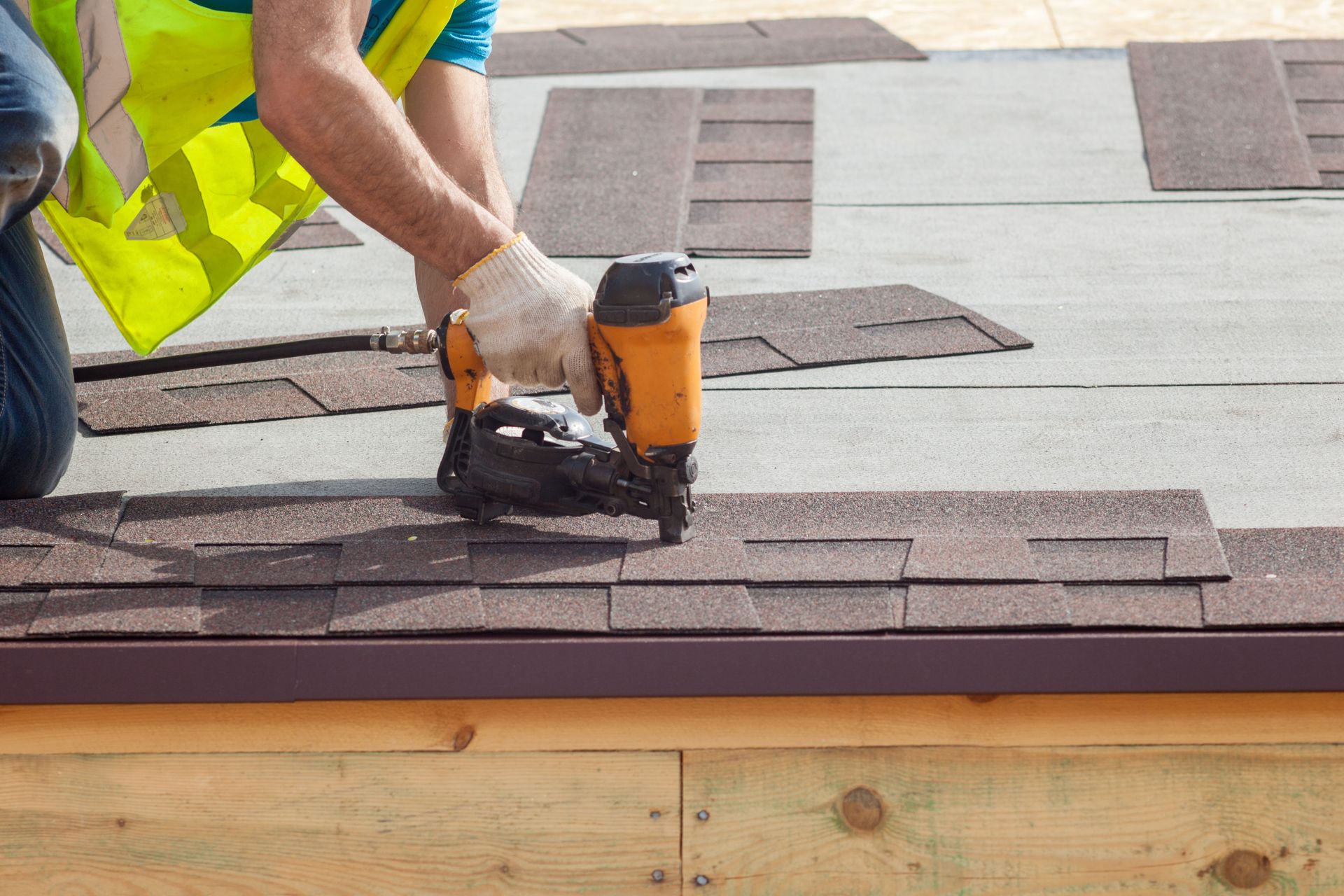
The quality of a roof’s installation is a pivotal factor in its longevity. Professional installation involves thorough assessments, accurate measurements, and skilled handling of materials—all of which contribute directly to a longer-lasting roof. Experienced roofers ensure proper sealing, correct material placement, and adherence to manufacturer specifications, reducing the risk of premature wear or failure. Investing in skilled roofers helps protect your property and minimizes the likelihood of costly repairs or early replacement.
Close attention to detail during the installation process significantly impacts a roof’s performance and lifespan. Proper alignment of roofing materials, secure fastening, and precise sealing help prevent leaks and structural damage over time. Professional roofers install roofs with precision. These roofs typically offer greater resistance to environmental stressors such as wind, rain, and temperature fluctuations. Even premium materials can underperform without expert installation, making professional craftsmanship essential for long-term durability and reliability.
The techniques used during roof installation play a critical role in its overall durability and longevity. Advanced techniques, such as double-layering of materials or using reinforced flashing, can enhance weatherproofing and structural integrity. Inadequate or outdated practices may not account for modern materials' optimal use, diminishing their lifespan potential. Skilled roofers employ updated techniques that leverage the latest advancements in roofing technology. Homeowners should prioritize roofers who continually update their skills with industry advancements.
How Do Regular Inspections Affect a Roof's Lifespan?
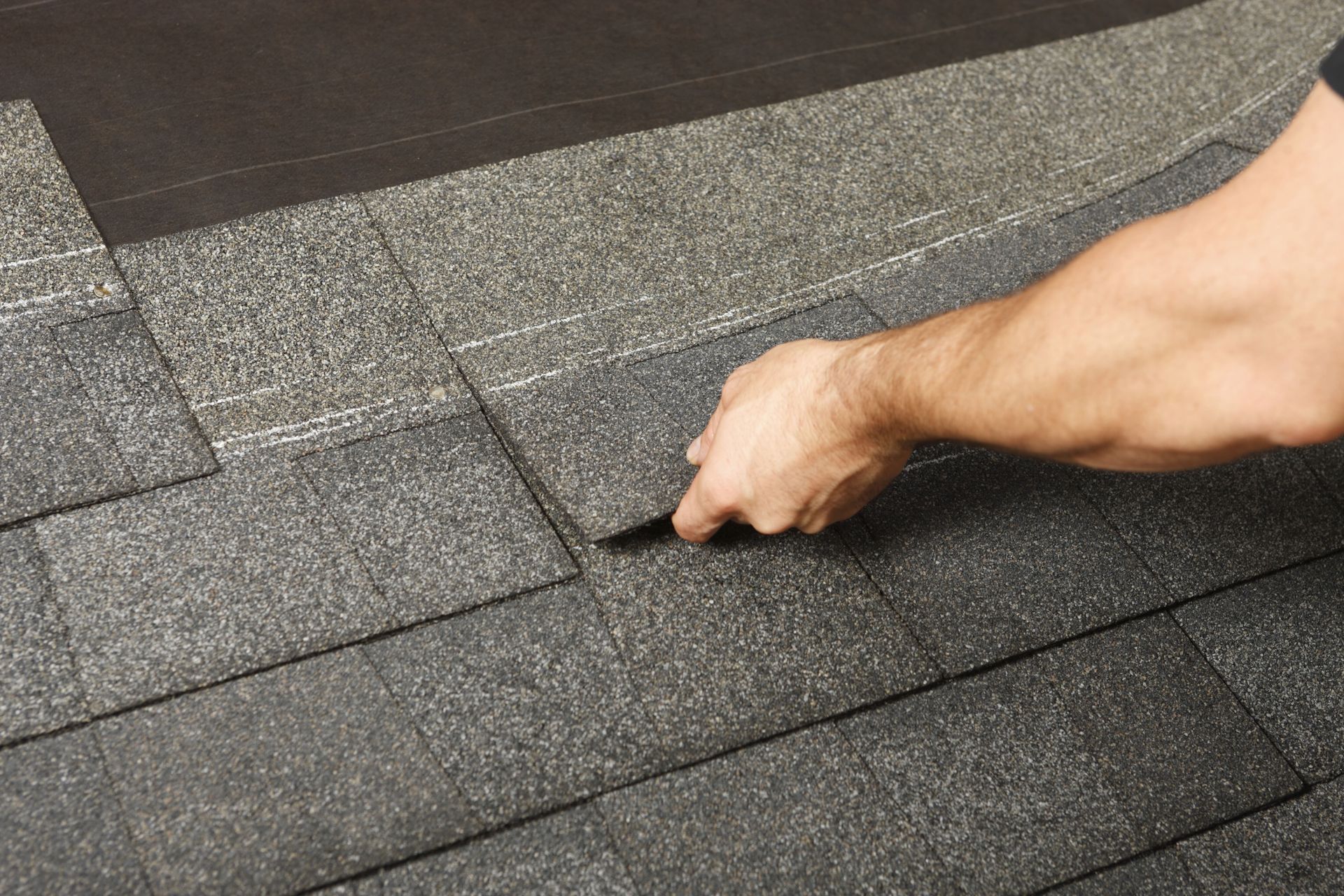
Regular inspections are essential for maintaining a roof's longevity by identifying potential issues before significant damage occurs. Inspections should ideally occur biannually and after severe weather events to assess for damage like missing shingles or leaks. A professional inspection can provide valuable insights, but self-inspections can also be effective for spotting obvious signs of wear. Early detection enables timely repairs, which can prevent costlier interventions later on. Over time, habitual assessments can significantly extend the life of a roof.
Prompt repair of minor damages like cracked shingles or damaged flashing prevents escalation into more serious problems. Ignoring small issues can lead to significant structural damage, leading to costly repairs or even premature roof replacement. Regular inspections help in early detection, and immediate fixes restore the roof's protective capabilities. Repairs should use matching materials to maintain consistency and performance. Addressing small repair needs promptly contributes significantly to a roof's longevity.
How Does Cleaning Affect a Roof's Lifespan?
The accumulation of debris, such as leaves and branches, can trap moisture on a roof, increasing the risk of rot, mold growth, and material deterioration. Regular cleaning helps preserve both the roof’s functionality and appearance by preventing water buildup and reducing unnecessary wear. Professional roof cleaning services use appropriate tools and techniques to safely remove debris without compromising roofing materials. Controlled, low-impact cleaning methods are essential to avoid accidental damage during the process. Maintaining a clean roof supports long-term performance and helps extend its overall service life.
How Does Gutter Maintenance Affect a Roof's Lifespan?
Proper gutter maintenance is crucial for effective water drainage and roof longevity. Blocked gutters can cause water to back up, potentially resulting in leaks or water damage to the roof and foundation. Regular gutter cleaning and repair ensure water is directed away from the structure, preserving the roof's integrity. Installing gutter guards can help reduce the frequency of cleanings by preventing large debris accumulation. Routine maintenance of gutters and drainage systems is a proactive approach to safeguarding a roof and extending its life.
The lifespan of a roof is influenced by a variety of factors, including material selection, climate, installation, maintenance, and financial considerations. A comprehensive understanding and strategic planning of these elements enables homeowners to prolong their roof's life efficiently. Homeowners can protect investments and ensure safety by carefully considering these aspects during the roof's lifecycle management. If you're interested in roofing services, contact Seal-Rite Roofing & Siding for a free estimate and experience working with our team of certified roofers.