November 12, 2026
Maintaining the structural envelope of a residential property is one of the most consequential responsibilities a homeowner can manage. The overhead roofing system serves as the primary barrier against natural elements, including severe precipitation, persistent solar radiation, and volatile wind patterns. When degradation occurs, the consequences are rarely confined to the surface layers alone. Water intrusion can quickly migrate into interior framing, saturate thermal insulation, and degrade structural drywall, resulting in steep compounding expenses and potential safety hazards. Implementing timely roof repairs ensures that small anomalies do not evolve into catastrophic failures that compromise the stability of the entire house.
A comprehensive understanding of property upkeep allows homeowners to make informed decisions regarding asset protection. Because early deterioration frequently begins in places that are difficult to observe from ground level, ongoing vigilance and proactive care are critical. Minor vulnerabilities such as cracked flashings, missing fasteners, or minor shingle displacements can quietly undermine underlying decking long before stains manifest on interior ceilings.
Recognizing Vulnerabilities and Material Deterioration
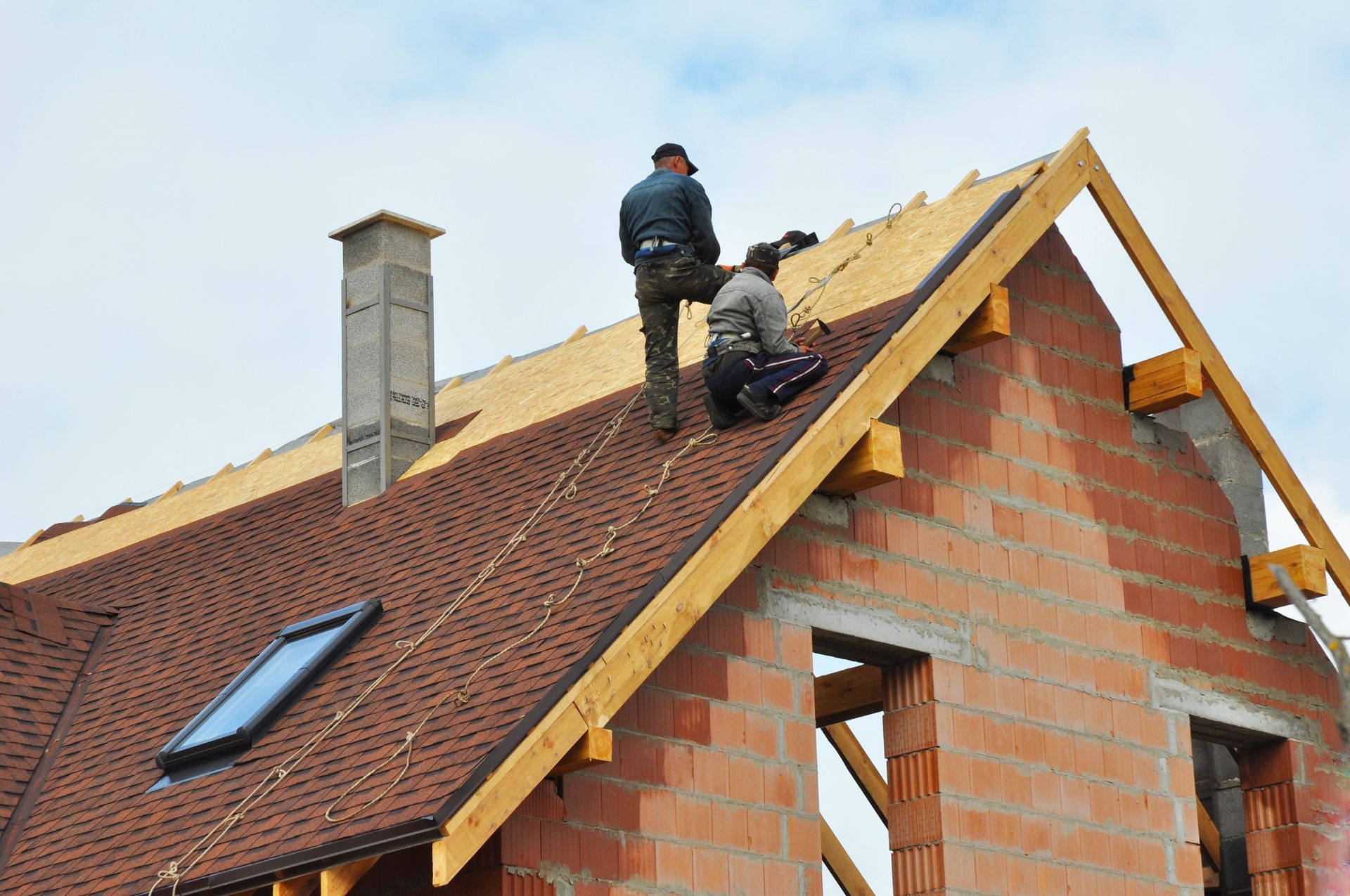
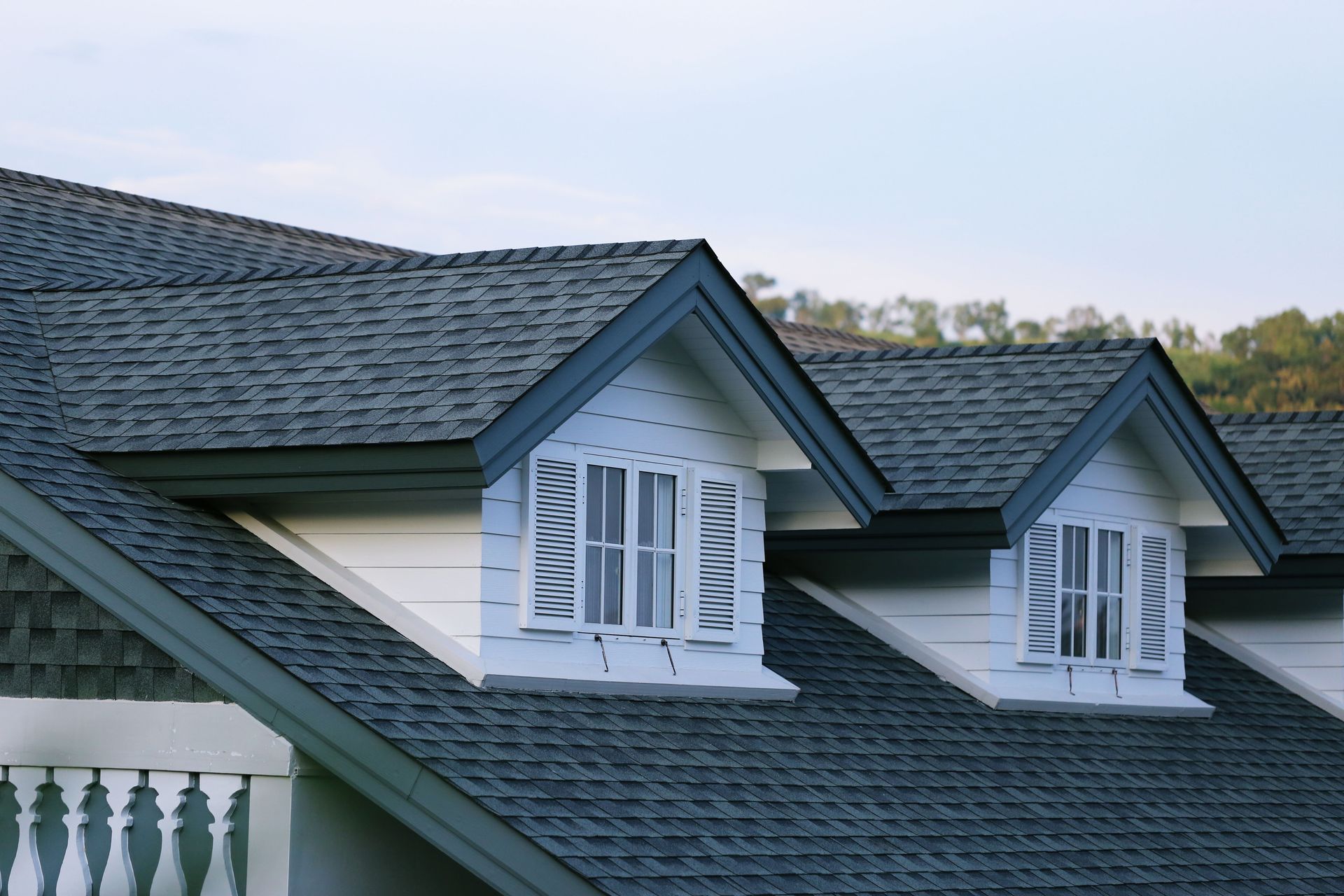
External surfaces bear the brunt of local climate conditions, which inevitably causes gradual wear across common roofing components. Addressing shingle issues swiftly can prevent further deterioration and the potential for leaks. According to Ruby Home, asphalt shingles are the most common roofing material, used in roughly 80% of roofing projects, due to their affordability and ease of replacement. Regularly inspecting and replacing damaged shingles can significantly extend your roof's lifespan. When shingles become brittle, lose protective mineral granules, or crack under fluctuating ambient temperatures, the vulnerable felt underlayment becomes directly exposed to environmental wear. This exposure accelerates rotting in the wooden sheathing beneath, creating an entryway for moisture that threatens ceilings, rafters, and interior living quarters.
Beyond individual surface coverings, critical joint assemblies and metal flashings represent frequent failure points within the roofing architecture. Flashing pieces installed around chimneys, plumbing vents, wall junctions, and dormers rely on precise mechanical integration and commercial caulking agents to divert runoff away from structural seams. Over time, seasonal thermal expansion pulls these metal pieces away from adjoining surfaces, breaking waterproof barriers and inviting leaks. In addition, perimeter drainage systems that suffer from sagging alignments or internal debris accumulation can force pooled water backward underneath lower decking boards. Engaging certified specialists to conduct roof repairs on compromised seams and water collection systems restores necessary drainage channels and halts structural decay.
Weathering Severe Climatological Stress Factors
Extreme weather represents the most unpredictable threat to residential roofing systems throughout each seasonal cycle. Severe wind events generate powerful uplift pressures across eaves, ridges, and roof corners, loosening mechanical fasteners and lifting protective coverings. Once wind breaches the perimeter seal of a shingle course, ambient air currents can peel back broad sections of material, leaving bare wood decks exposed to driving rain. Subsequent downpours saturate these unprotected surfaces, driving moisture deep into structural trusses, attic floor joists, and ceiling layers. Professional roofers possess the safety equipment and diagnostic tools required to evaluate post-storm impact, secure loosened components, and replace lifted barriers before extensive interior water damage occurs.
Cold winter climates introduce another substantial set of hazards through snow loading and ice dam formation. When internal residential heat escapes into poorly ventilated attics, it melts the underside of snow banks sitting on the roof plane. As runoff trickles down toward unheated eaves and gutters, the liquid refreezes into thick ridges of ice that block subsequent drainage pathways. Trapped meltwater then pools behind these ice dams, eventually seeping upward beneath shingles and soaking interior framing. Hail strikes compound this stress by bruising asphalt mats and dislodging granules, which leaves the foundational fiberglass substrate exposed to rapid ultraviolet degradation. Arranging prompt professional roof repairs after winter storms prevents trapped moisture from fostering wood rot and black mold proliferation throughout attic spaces.
Implementing Preventative Property Care Strategies
Preserving an intact building envelope requires consistent preventative measures rather than reactive responses to established interior leaks. Establishing a scheduled maintenance calendar allows certified technicians to identify incipient defects before they translate into widespread moisture intrusion. Trained contractors examine critical vulnerable areas, such as ridge caps, valley liners, and perimeter drip edges, looking for minor sealant splits, dislodged nails, or localized material wear. Catching subtle degradation during routine seasonal evaluations keeps maintenance budgets manageable and prevents sudden emergency interventions that disrupt everyday household operations.
A holistic property care approach also includes managing the immediate biological and atmospheric environment surrounding the structure. Large overhanging tree branches can sweep across granular surfaces during windstorms, mechanically wearing down protective topcoats, or snap entirely and crush structural decking beneath. Scheduling recurring tree maintenance ensures appropriate clearance zones, mitigating direct physical impacts and reducing organic litter accumulation in roof valleys. Furthermore, balancing attic intake and exhaust ventilation stabilizes indoor air temperatures and regulates relative humidity. When warm, humid household air vents freely through balanced soffit and ridge vents, it prevents condensation buildup on the underside of roof sheathing, thereby minimizing the frequency of required roof repairs.
Selecting Commercial Grade Installation Materials
When restoration work becomes necessary, selecting the right replacement materials is essential for long-term property protection. Asphalt shingles remain an attractive choice for many residences due to their adaptability, ease of localized integration, and accessible pricing structures. Modern architectural asphalt products incorporate specialized polymer modifiers that offer superior impact ratings and resistance to wind uplift compared to standard three-tab alternatives. However, geographic factors such as persistent exposure to intense sunshine can degrade standard organic binders prematurely, making specialized ultraviolet reflective coatings a wise upgrade for sun-drenched homes seeking extended lifespans from their roof coverings.
For homeowners pursuing enhanced longevity and durability, alternative materials present strong performance advantages under demanding conditions. Standing seam metal systems deliver exceptional longevity, shedding high volumes of snow and resisting wind forces with minimal joint vulnerability. Clay and concrete tiles provide remarkable thermal efficiency and fire protection in warm, arid environments, although their notable physical weight requires thorough structural engineering assessments prior to installation. Heavy cedar shakes deliver distinct natural aesthetics and natural thermal insulation, but they demand dedicated topical preservation treatments to fend off fungal growth and moisture absorption. Enlisting qualified contractors for professional roof repairs ensures that replacement materials integrate seamlessly with existing framing, flashing, and substrate assemblies.
Navigating Property Insurance and Documentation Procedures
Managing structural property claims requires an organized approach to documentation and policy management. Homeowner insurance contracts generally provide coverage for sudden, accidental events, such as wind impact, fallen trees, or destructive hail storms, while specifically excluding long-term neglect and gradual wear. Maintaining an updated digital folder of professional maintenance receipts, high-resolution inspection imagery, and historical servicing records establishes that the structure was properly managed prior to an adverse weather event. This factual record prevents claims adjusters from attributing sudden structural failures to unaddressed age-related degradation, ensuring a smoother processing timeline for justified insurance settlements.
When storm damage occurs, property owners must act swiftly to file their insurance paperwork while avoiding procedural oversights. Enlisting an experienced exterior contractor to perform a comprehensive post-storm evaluation provides objective photographic proof of localized impacts, displaced materials, and cracked waterproofing membranes. Contractors can generate detailed line-item damage reports that align directly with industry-standard estimating platforms utilized by insurance adjusters. Leveraging verified documentation simplifies claim resolutions and secures funding for proper roof repairs that return the building to optimal condition.
Maintaining a resilient overhead barrier is indispensable for defending your residential property against severe weather patterns and progressive structural degradation. Small visual flaws, such as loose flashing metal, brittle shingles, or compromised valley seals, quickly cascade into severe structural rot and interior property damage if left unattended by qualified professionals. Investing in proactive
roof repairs remains the most cost-effective strategy for extending system longevity, maintaining property market value, and securing the internal comfort of your living space.
Preserving the structural integrity of your home requires prompt action as soon as external wear or storm impacts arise. Delaying professional maintenance can result in costly water intrusion and complex structural rebuilding projects that disrupt your daily household life. Reach out to the experienced team at Seal-Rite Roofing & Siding today to schedule a comprehensive property evaluation and secure dependable solutions tailored specifically to your home's long-term protection.