September 10, 2026
As seasonal temperature shifts bring chilling winter winds and scorching summer sun, maintaining a comfortable indoor climate becomes a primary goal for homeowners. Achieving a cozy, warm, and inviting living space often seems to come at a steep financial price, reflected in skyrocketing monthly utility bills. Heating and cooling systems work overtime when thermal energy escapes through uninsulated walls, aged window frames, and deteriorating exterior cladding. While many property owners focus their energy efficiency efforts on indoor furnace upgrades or smart thermostat installations, the true barrier protecting household comfort sits directly on the exterior envelope. The outer shell of a home serves as its chief defense against environmental elements, moisture intrusion, and thermal transfer. Partnering with a skilled siding contractor provides property owners with expert guidance, advanced insulation strategies, and high-performance cladding materials designed to lock in warmth, block intrusive drafts, and keep utility costs manageable across every season of the year. Taking time to understand how exterior cladding impacts energy efficiency empowers property owners to make smart, cost-effective decisions that enhance living comfort while driving down heating expenses. Properly designed exterior cladding systems act as a continuous barrier against temperature swings.
Inspecting Exterior Wall Assemblies for Thermal Leakage
Identifying where heating and cooling energy escapes requires a thorough diagnostic evaluation of the entire building envelope. Over time, natural structural settling, severe weather cycles, and material degradation create subtle gaps around wall seams, window trim, and corner posts. Cool drafts filtering through exterior walls indicate compromised weather barriers or missing continuous insulation beneath exterior panels. Engaging a professional siding contractor enables homeowners to pinpoint hidden air leaks, water damage, and thermal bridges long before complete cladding replacement begins. Trained specialists utilize thermal imaging tools and visual moisture assessments to evaluate existing underlayment condition, structural wall decking integrity, and baseline energy efficiency levels. Conducting detailed wall inspections ensures that subsequent siding upgrades address underlying structural vulnerabilities, creating a sound, airtight foundation that prevents conditioned air from escaping into the surrounding atmosphere. Diagnostic evaluations also uncover hidden moisture rot, failing window flashings, and insect activity before minor wall defects expand into expensive structural renovation projects. Thorough wall inspections provide homeowners with clear diagnostic data, allowing for targeted thermal repairs. Identifying thermal bridges allows installation crews to seal structural gaps with precision expanding foam insulation. Eliminating air leakage points prevents warm interior air from escaping into cold outdoor environments.
Upgrading Exterior Wall Insulation With Continuous Sheathing
Standard cavity insulation installed between interior wall studs leaves significant thermal gaps along structural wood framing members. This phenomenon, known as thermal bridging, allows heat to transfer freely through solid wooden studs, compromising interior climate control regardless of furnace output. A knowledgeable siding contractor recommends adding continuous rigid foam insulation sheathing directly over exterior wall framing prior to installing new siding panels. Wrapping a home in continuous exterior insulation creates an unbroken thermal blanket, sealing structural studs and eliminating energy loss pathways. According to Rooflink, "cool” shingles—featuring higher reflectivity—are seeing about 6% annual growth, per a 2024 EPA assessment on heat island mitigation. Similarly, paired exterior envelope improvements—combining reflective roofing with insulated wall cladding—drastically lower building heat absorption, keeping homes naturally cooler during summer months while reducing overall reliance on energy-intensive air conditioning systems. Installing continuous insulation sheathing also creates a smooth, level substrate for new panel attachment, ensuring that exterior walls display clean visual lines without surface waviness or uneven panel overlaps. Reducing building heat gain decreases overall energy grid strain during peak summer afternoons, helping property owners maintain lower indoor humidity levels while reducing electricity bills.
Sealing Air Barriers and Vapor Retarders Properly
Insulation alone cannot maintain a cozy indoor environment if uncontrolled air currents penetrate the building envelope. Drafty living spaces often suffer from torn, improperly installed, or missing weather-resistant barriers behind exterior cladding panels. Hiring an experienced siding contractor guarantees the installation of advanced house wrap materials that function as continuous air barriers while allowing trapped internal moisture vapor to escape safely. Technicians meticulously seal barrier overlaps with specialized weather-resistant tape, flash window and door perimeters, and secure bottom edge termination strips. Proper air barrier installation stops chilling wind gusts from penetrating interior living spaces, eliminating cold drafts along outer walls. Furthermore, managing vapor permeability prevents internal moisture accumulation, protecting structural framing from rot, decay, and mold growth while maintaining consistent, cozy room temperatures. Precision barrier installation protects internal wall cavities from wind-driven rain, maintaining dry insulation layers that retain high thermal resistance values across decades of continuous environmental exposure. Advanced house wraps prevent air infiltration while allowing structural timber framing to breathe naturally, eliminating internal condensation risks.
Installing Insulated Siding Panels for Maximum Protection
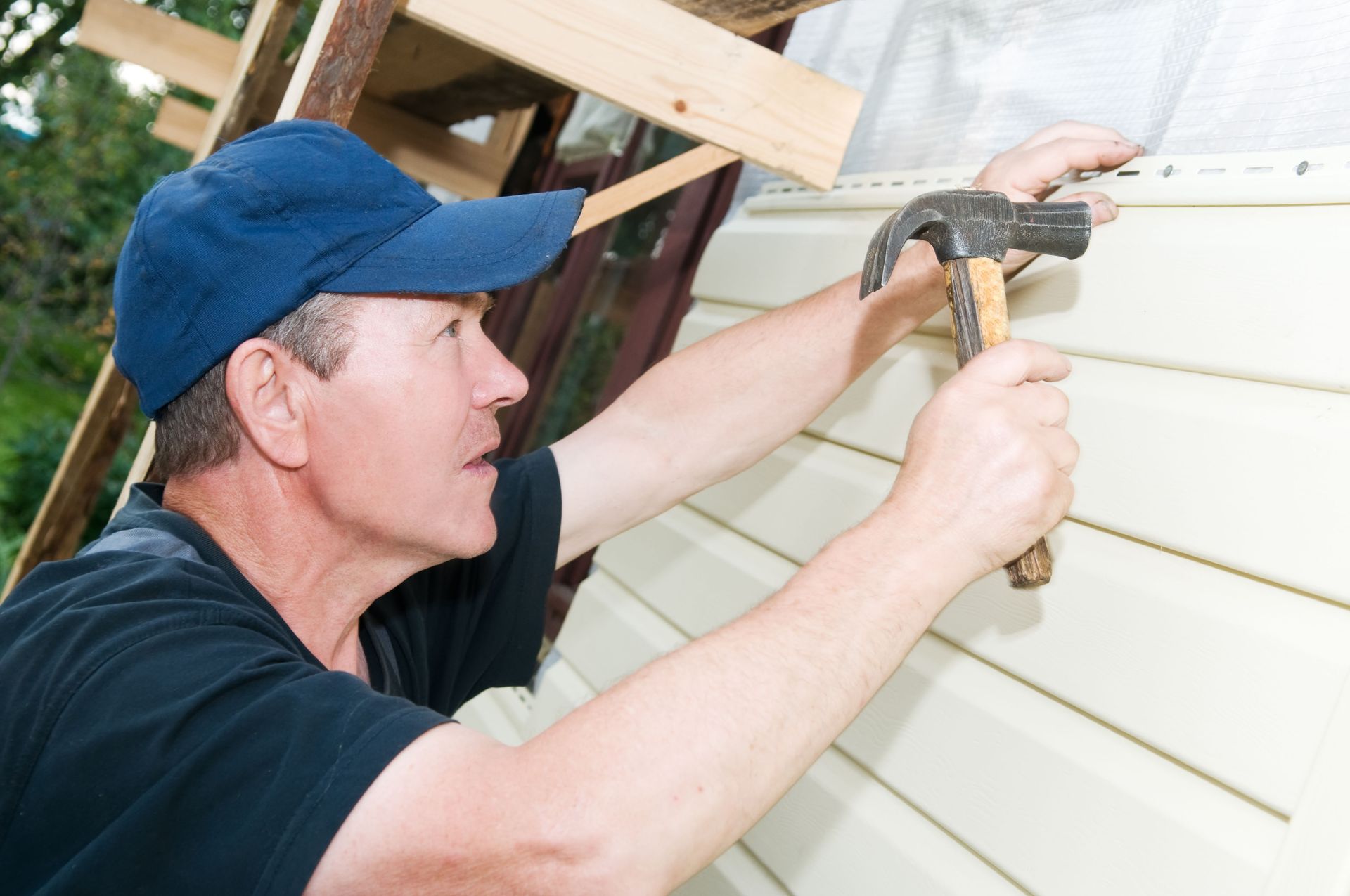
Modern manufacturing advancements have transformed traditional vinyl, fiber cement, and composite cladding materials into advanced thermal management systems. Engineered insulated siding features rigid foam backing permanently bonded to panel profiles, providing enhanced impact resistance and exceptional thermal insulation values. Utilizing a certified siding contractor ensures that insulated panels are installed with precise overlap alignments, hidden expansion gaps, and secure starter strips that withstand high wind forces. Insulated cladding acts as a dense protective shield, dampening exterior noise pollution while creating an additional barrier against thermal loss. Homes outfitted with insulated cladding maintain steady interior temperatures with minimal HVAC cycling, delivering exceptional year-round comfort while noticeably reducing monthly heating fuel consumption and electricity expenses. Thermal insulation backing also prevents panel warping, denting from hail impacts, and color fading, preserving beautiful exterior aesthetics while maintaining consistent interior living temperatures year after year. Integrated foam backing fills air voids behind vinyl or composite profiles, creating a solid wall feel that resists structural impacts from stray branches.
Choosing High-Performance Cladding Materials for Durability
Selecting appropriate exterior materials requires balancing aesthetic preferences, local weather conditions, and long-term maintenance expectations. Fiber cement cladding offers superior fire resistance, dimensional stability, and durability against severe freeze-thaw cycles, while modern insulated vinyl provides affordable thermal efficiency and minimal upkeep requirements. A reputable siding contractor guides property owners through material options, explaining how specific panel densities, color pigments, and surface textures resist environmental weathering over long periods. Installing durable cladding materials protects underlying wall assemblies from moisture penetration, pest intrusion, and wind damage. Selecting high-grade, energy-efficient siding materials preserves home structural value, elevates curb appeal, and ensures that your property remains warm, quiet, and energy-efficient for decades without requiring costly maintenance interventions. Investing in top-tier cladding materials enhances total building structural resistance, lowers ongoing exterior maintenance expenses, and provides long-term energy savings that boost property market resale values.
Maintaining Weather Seals Around Exterior Openings
Even the highest quality siding installation can experience efficiency drops if perimeter seams surrounding windows, doors, and utility penetrations are neglected over time. Exterior caulking and sealant compounds naturally harden, shrink, and crack when exposed to continuous ultraviolet rays and seasonal temperature fluctuations. A dedicated exterior specialist emphasizes the importance of routine exterior maintenance, reapplying high-grade elastomeric sealants along trim joints, electrical outlets, and plumbing vents. Securing perimeter seals prevents driving rain and chilling winter winds from sneaking behind siding panels, protecting hidden insulation layers from water saturation. Keeping exterior seals intact preserves wall insulation effectiveness, prevents internal draft formation, and maintains optimal indoor comfort regardless of extreme weather shifts outside.
At Seal-Rite Roofing & Siding, our dedicated team brings deep technical expertise, premium materials, and unwavering commitment to every home we protect, ensuring your living space stays warm, efficient, and beautiful year-round. Contact us today to arrange your comprehensive exterior evaluation and discover how expert siding solutions elevate your home comfort.