September 4, 2026
A roof plays an important role in protecting a building from weather, moisture, and changing outdoor conditions. Over time, exposure to wind, rain, snow, sunlight, and temperature fluctuations can affect roofing materials and create areas that require professional attention. Not every roofing problem means the entire roof needs to be replaced, particularly when damage is limited or the roofing system remains in generally good condition. Understanding the purpose of professional roof repair, common warning signs, and factors that influence service decisions can help property owners respond appropriately when concerns arise.
Recognizing Common Roof Damage
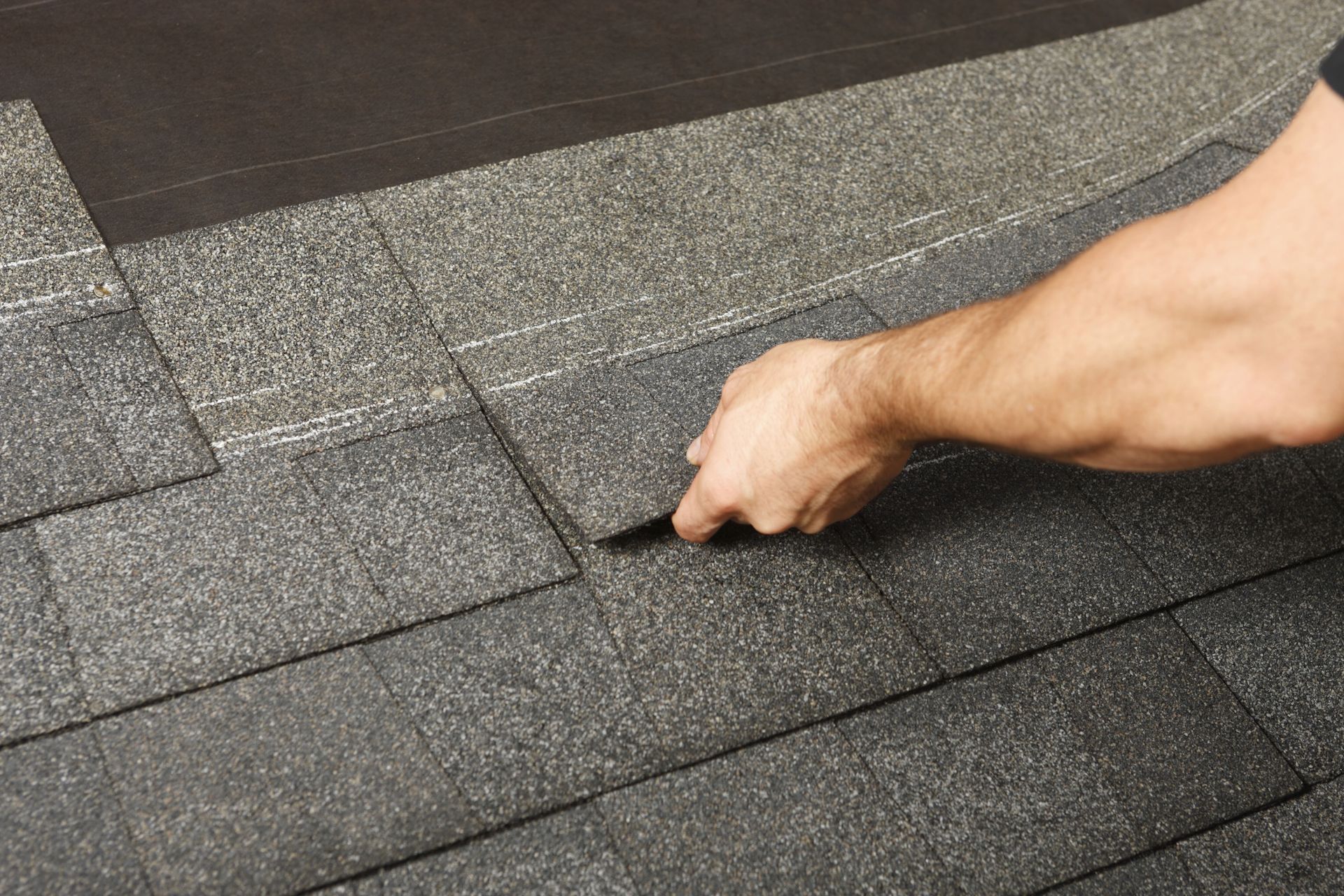
Roofing problems can develop in many forms, depending on the roof's age, materials, construction, and exposure to weather. Missing or damaged shingles, cracked flashing, deteriorated seals, punctures, and areas of visible wear can all indicate that professional evaluation is appropriate. Some problems may be relatively localized, while others can affect larger portions of the roofing system. Identifying the extent of the damage is an important first step in determining the appropriate service.
Interior signs can also indicate that something is happening above the ceiling. Water stains, discoloration, damp areas, peeling finishes, or unexplained moisture may be associated with a roofing issue. These symptoms do not always reveal the exact location of the exterior problem because water can travel along roofing materials and structural components. Professional inspection can help determine whether roof damage is contributing to the condition.
Understanding Roof Repair Timing
Addressing roofing concerns promptly can help prevent minor issues from developing into more extensive problems. Damaged roofing materials can allow moisture to reach underlying components, particularly when an opening or compromised area remains exposed to weather. Over time, continued moisture intrusion can affect decking, insulation, framing, and interior finishes. Professional evaluation provides an opportunity to determine the condition of the affected area and identify appropriate next steps.
Roof repair is often most useful when damage is limited and the existing roofing system remains suitable for continued service. According to Today's Homeowner, repair is generally favored when a roof is less than 15 years old and the damage is minor. The specific decision should still be based on the roof's individual condition, material, age, and extent of damage. A professional assessment can help property owners determine whether a localized solution is appropriate.
Evaluating Roofing Material Condition
The type and condition of roofing material can influence how professionals approach a damaged area. Asphalt shingles, metal roofing, tile, wood shakes, and other systems have different construction characteristics and maintenance considerations. A solution appropriate for one roofing material may not be suitable for another. Professionals evaluate the existing system before determining how the affected area should be addressed.
Material condition also matters when deciding whether localized service makes sense. A relatively new roof with isolated damage may respond differently to professional service than an older system showing widespread deterioration. Roof repair can address specific deficiencies when the surrounding materials remain in appropriate condition. A broader evaluation helps ensure that isolated work is not considered separately from the condition of the overall roof.
Identifying Weather-Related Problems
Severe weather can create sudden roofing concerns. High winds can dislodge shingles or other materials, while hail can cause visible and less obvious damage. Heavy rain can expose weaknesses in flashing, seals, and other areas where water needs to remain outside the building. After significant weather events, a professional roof inspection can help identify problems that may not be immediately visible from the ground.
Weather-related damage can vary significantly from one property to another. One section of a roof may sustain noticeable damage while another area remains unaffected. Roof repair can sometimes address specific weather-related deficiencies without requiring work across the entire roofing system. Professional evaluation is important because the full extent of damage may not be apparent without examining the roof closely.
Examining Flashing and Seals
Flashing is used around areas such as chimneys, vents, skylights, walls, and other roof penetrations where water could otherwise enter. Because these locations involve transitions between different materials or surfaces, they can become vulnerable as roofing systems age. Damaged, deteriorated, or improperly functioning flashing can contribute to moisture intrusion. Professional roofing inspections commonly include attention to these areas.
Seals around penetrations and transitions can also deteriorate over time. Changes in temperature and prolonged exposure to outdoor conditions can affect sealing materials. Roof repair may include addressing localized problems around flashing and penetrations when the surrounding roofing system remains serviceable. Proper evaluation helps determine whether the issue is isolated or part of a broader roofing concern.
Addressing Roof Leaks
A roof leak should receive professional attention because continued moisture intrusion can affect more than the roofing material itself. Water can move through concealed spaces before becoming visible inside the building. By the time a stain appears on a ceiling or wall, the source may be located some distance away. Professional inspection can help trace the issue and evaluate related components.
Roof repair can be used to address localized areas contributing to a leak when the roof's overall condition supports that approach. Professionals can inspect the surrounding materials to determine whether additional deterioration is present. Addressing the source rather than focusing only on the visible interior symptom is important for resolving the underlying roofing concern. This helps protect the building from continued moisture exposure.
Considering Roof Age
The age of a roof is an important factor in determining how professionals approach service. Roofing materials have different expected service lives, and age can influence the condition of components across the entire system. A relatively young roof with isolated damage may present a different service opportunity than an older roof with widespread deterioration. Age should therefore be considered alongside the severity and distribution of damage.
Roof repair can be a practical option when an otherwise serviceable roofing system has a limited problem. However, repeated concerns across an aging roof may indicate that a more comprehensive evaluation is necessary. Professionals can assess the relationship between the roof's age and current condition. This information can help property owners understand whether localized service or broader planning should be considered.
Assessing Structural Concerns
Roofing problems can sometimes involve underlying structural components. Persistent moisture intrusion can affect roof decking and other materials beneath the exterior surface. Sagging areas, significant deterioration, or other unusual conditions may indicate that the concern extends beyond the visible roofing material. These situations require professional evaluation to determine the extent of the problem.
A professional roof inspection can consider both the surface and accessible underlying components. If roof repair is appropriate, the work can be planned around the actual source and extent of damage. If more significant deterioration is identified, the professional can explain how that condition affects the available options. Understanding the full scope of the issue is important for making an informed roofing decision.
Evaluating Repair Versus Replacement
One of the most important questions after discovering roof damage is whether localized service is sufficient or whether replacement should be considered. The answer depends on several factors, including roof age, material condition, damage severity, and the extent of deterioration. A roof with one isolated damaged area may not require the same approach as a system with widespread failures. Professional evaluation helps distinguish between these situations.
If you have noticed missing materials, leaks, storm damage, deteriorated flashing, or other roofing concerns, we are ready to help. We can evaluate the condition of your roof and explain the appropriate next steps based on our findings. Contact Seal-Rite Roofing & Siding to schedule a professional roofing evaluation and protect your property with the right service for its needs.