March 12, 2026
Your roof quietly protects your home every day, shielding it from rain, wind, sun, and changing temperatures. Despite its constant exposure to the elements, many homeowners only think about their roof when a visible problem appears. Missing shingles, water stains on ceilings, or debris after a storm can signal trouble, but many roofing issues begin long before they are visible from the ground.
That is why professional inspections are so important. A routine inspection allows roofing professionals to identify potential concerns early, helping homeowners prevent small issues from turning into major structural problems. When performed by a qualified local roofer, an inspection provides valuable insight into the current condition of your roof and what steps, if any, may be needed to maintain its performance. Understanding what happens during a roof inspection can make the process less intimidating and help homeowners feel confident about the condition of their roofing system.
Examining Exterior Roof Conditions
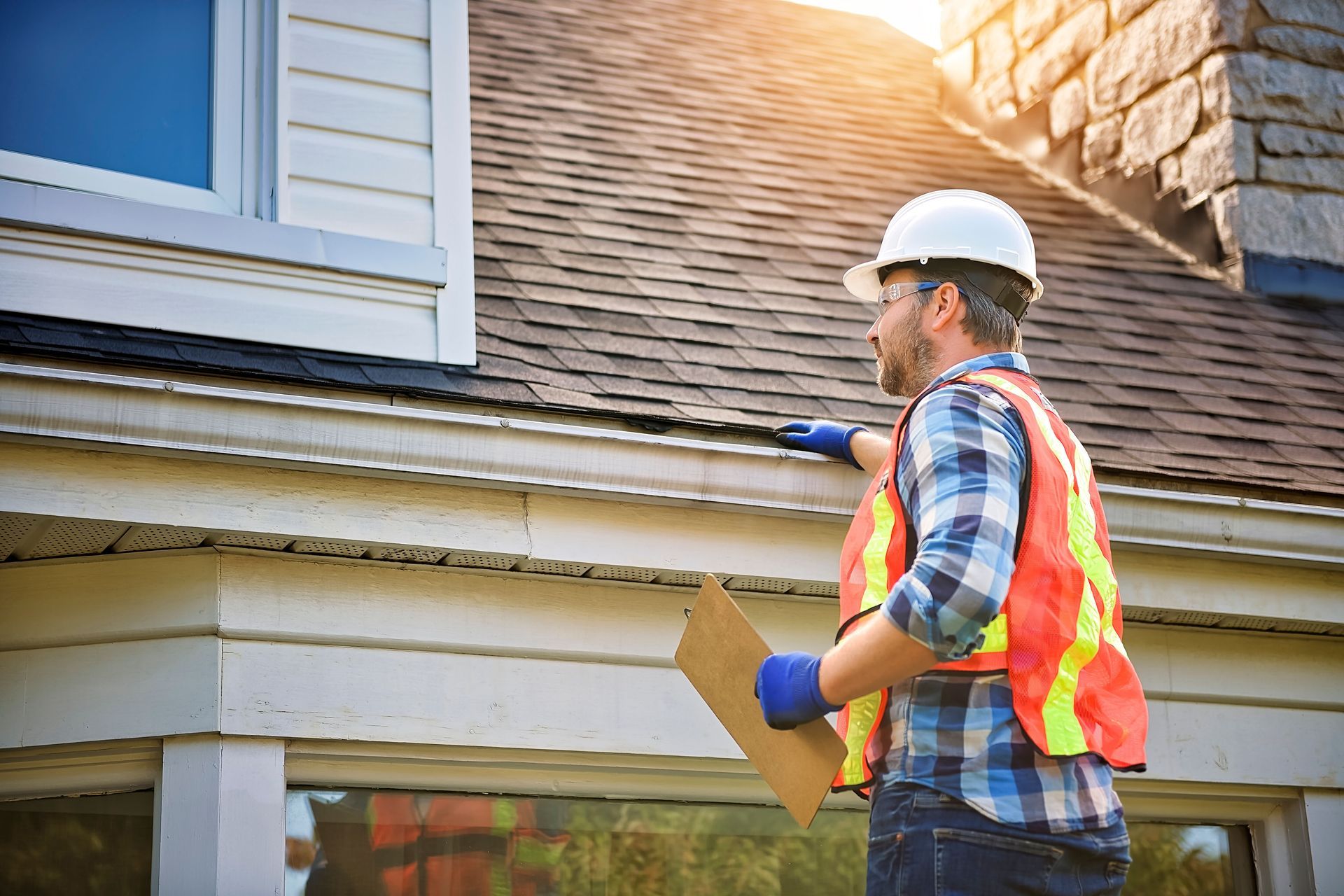
One of the first things a local roofer will do during an inspection is evaluate the visible condition of the roof’s exterior. This part of the process focuses on identifying signs of wear, damage, or aging that may affect the roof’s performance.
The roofer typically begins with a visual assessment from the ground before moving onto the roof itself when conditions allow. This step helps professionals identify areas that may require closer inspection.
During this stage, a roofing professional may look for:
- Damaged or missing shingles
- Curling, cracking, or blistering materials
- Signs of algae or moss growth
- Uneven surfaces or sagging areas
- Accumulated debris that may trap moisture
These surface indicators often reveal underlying concerns. For example, loose shingles may suggest wind damage, while discoloration can indicate moisture buildup or aging materials.
A skilled local roofer understands how different roofing materials age and what warning signs suggest deeper structural problems. By carefully reviewing the exterior condition, they can determine whether the roof simply needs maintenance or if further investigation is necessary.
Inspecting Flashing and Roof Penetrations
Flashing plays a critical role in protecting vulnerable areas of the roof where different surfaces meet. These sections include chimneys, skylights, vents, and the joints where roof planes intersect. Because these areas involve seams and edges, they are common locations for water intrusion.
During an inspection, a local roofer carefully checks the condition of the flashing materials surrounding these features. Over time, flashing can loosen, crack, or separate from surrounding surfaces, creating gaps where water can enter.
A roofer may evaluate several components in this stage, including:
- Chimney flashing
- Vent pipe seals
- Skylight edges
- Valley flashing where the roof slopes meet
- Transition areas between roofing sections
Even minor issues in these areas can lead to leaks that spread through the roof structure and into the home. Catching flashing problems early allows homeowners to address them before water damage occurs.
This step is particularly important after severe weather events. High winds, heavy rain, or falling debris can damage flashing and compromise its protective function.
Evaluating Structural Integrity and Support
While shingles and flashing protect the outer surface of a roof, the underlying structure provides the support that holds everything in place. During an inspection, the roofer also evaluates whether the roof structure appears stable and properly supported.
Structural issues can develop slowly over time due to moisture exposure, aging materials, or improper installation. A trained local roofer understands how to identify subtle signs that may indicate deeper problems.
Some indicators of structural concerns include:
- Sagging sections of the roofline
- Uneven surfaces across the roof deck
- Visible dips or warping
- Signs of moisture affecting the support structure
When a roofer notices these conditions, they may recommend further evaluation or repairs to protect the long-term stability of the roof.
Addressing structural issues early is essential. Left unresolved, these problems can place additional stress on roofing materials and eventually lead to leaks or collapse in extreme cases.
Checking Gutters and Drainage Systems
A roof inspection often includes evaluating the condition of the home’s drainage system. Gutters and downspouts play an important role in directing water away from the roof and foundation.
If water cannot flow properly through these systems, it may pool on the roof or overflow near the home’s structure. A local roofer will examine the gutters to ensure they are functioning as intended.
Common drainage concerns include:
- Clogged gutters filled with leaves or debris
- Loose or sagging gutter sections
- Downspouts directing water too close to the home
- Evidence of water overflowing during storms
When drainage systems fail, moisture can accumulate around roofing materials and increase the risk of leaks. Standing water may also accelerate material deterioration.
A roofer may recommend cleaning, repairs, or adjustments to improve water flow and reduce stress on the roofing system.
Reviewing Attic and Interior Indicators
Although the roof itself sits above the home, signs of roofing problems often appear inside the house. For this reason, inspections sometimes include evaluating attic spaces and interior ceilings for clues about hidden issues.
A local roofer may check the attic for moisture, ventilation problems, or insulation concerns that could affect the roof’s performance. Poor ventilation can trap heat and humidity, leading to premature material wear and potential mold growth.
During this stage, the roofer may look for:
- Water stains on the underside of the roof deck
- Damp insulation or musty odors
- Sunlight entering through gaps in roofing materials
- Signs of condensation buildup
These indicators can reveal leaks or ventilation issues that might not be visible from the roof surface. Addressing them early helps protect both the roof structure and the interior of the home.
Explaining Findings and Maintenance Recommendations
Once the inspection is complete, the roofing professional reviews their findings with the homeowner. This step helps clarify the current condition of the roof and what actions, if any, should be taken next.
According to This Old House, a standard roof inspection can take as little as 45 minutes. Despite the relatively short timeframe, a thorough inspection can uncover valuable information about the roof’s condition and expected lifespan.
During the final discussion, a local roofer may provide recommendations such as:
- Routine maintenance to extend the roof’s life
- Minor repairs to prevent leaks
- Cleaning debris or improving drainage
- Monitoring areas that show early signs of wear
Not every inspection results in major repair needs. In many cases, homeowners simply gain peace of mind knowing their roof remains in good condition.
A clear explanation of the findings also helps homeowners plan for future maintenance or potential upgrades.
A roof inspection is one of the most effective ways to protect your home from unexpected damage. By evaluating the exterior materials, structural components, drainage systems, and interior indicators, roofing professionals can identify potential issues before they become costly problems.
Working with an experienced local roofer ensures that the inspection is thorough and that any recommendations are based on a clear understanding of roofing systems and environmental conditions. Whether your roof has recently experienced severe weather or you simply want to stay ahead of maintenance, regular inspections provide valuable insight into the health of your home’s protective barrier.
Taking the time to schedule an inspection can help extend the life of your roof, protect your home’s structure, and give you confidence that your roofing system is performing as it should.
If you want to protect your home and stay ahead of roofing issues, contact Seal-Rite Roofing & Siding to schedule a professional inspection and receive expert guidance on maintaining your roof’s long-term performance.