August 11, 2026
Selecting the right exterior material for your home is a major decision that impacts curb appeal, weather defense, and overall property value. Professional siding contractors frequently recommend vinyl because it balances structural resilience with budget flexibility. Homeowners across the country turn to this versatile cladding solution to revitalize aging exteriors without incurring excessive maintenance overhead.
Understanding the full scope of what vinyl offers helps you make an informed choice for your property. From modern manufacturing improvements to simplified upkeep, this material has evolved significantly over recent years. Learning these key insights allows you to maximize your investment and achieve a fresh, beautiful aesthetic for your house.
Discover Key Product Advantages
Experienced siding contractors appreciate vinyl for its remarkable blend of cost-effectiveness and structural stamina. Initial procurement and labor expenses remain noticeably lower compared to traditional masonry or natural wood. Homeowners benefit from immediate financial savings while securing a protective shell that handles harsh weather without cracking or splitting. According to The Spruce, covering a 2,000-square-foot home can take up to 15 squares of vinyl siding, which equals about 1,500 square feet of material. This broad coverage capacity allows projects to progress quickly, reducing expensive labor hours on site.
Long-term durability further enhances the practical appeal of this choice. Advanced manufacturing techniques provide robust weather resistance, protecting panels against moisture, wind, and fading over prolonged exposure. Unlike timber, synthetic cladding does not attract wood-boring insects, nor does it suffer from rot after heavy rainy seasons. Warranties back these products for extensive periods, providing lasting confidence in your exterior investment.
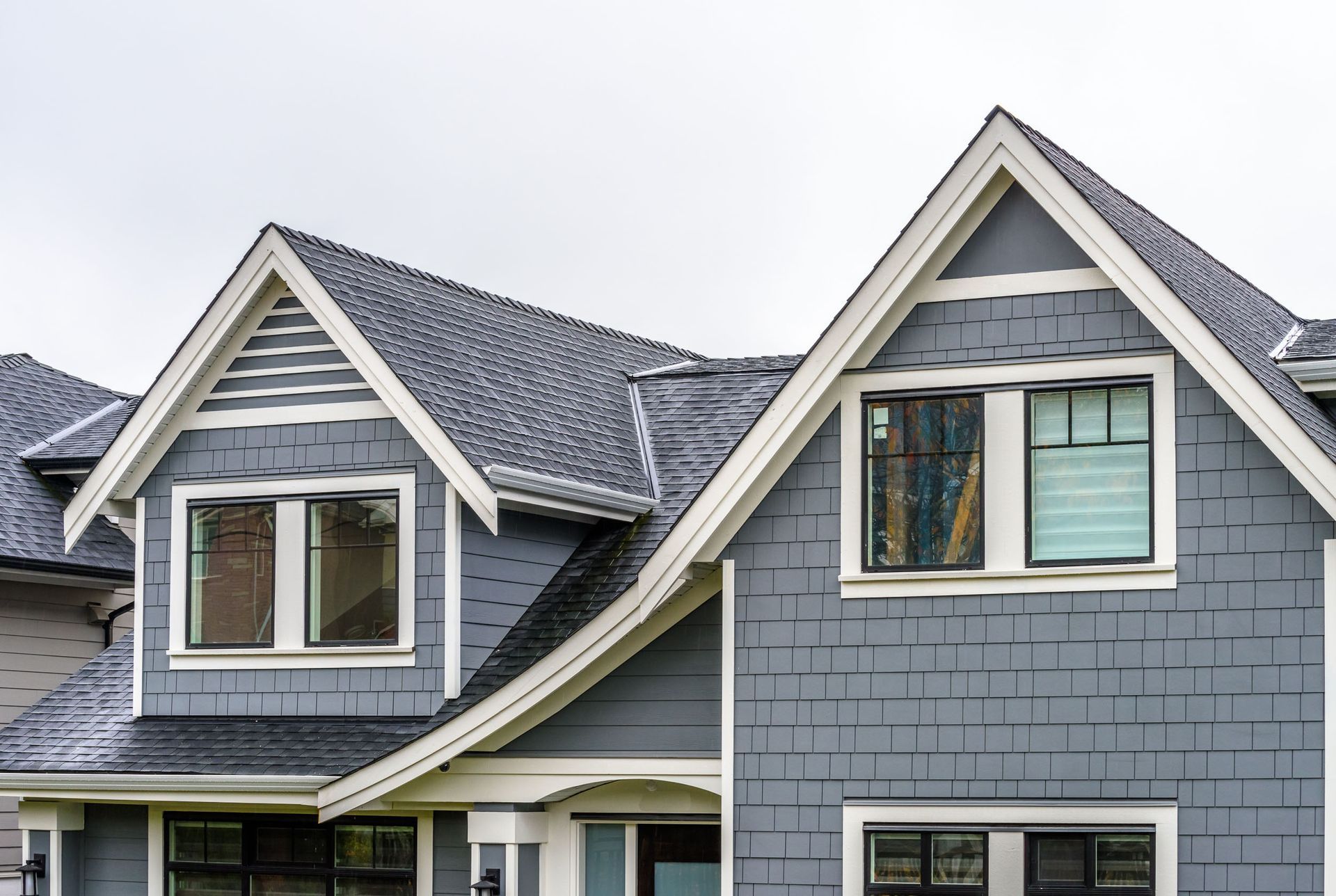
Modern design options and thermal efficiency round out the core benefits. Premium panel lines now replicate natural cedar grains, distinctive shakes, and classic board-and-batten profiles. When paired with contoured foam backing, these systems create a thermal barrier that reduces heating and cooling demands. Choosing insulated profiles improves indoor climate regulation, lowers monthly utility expenses, and boosts overall energy performance.
Review Essential Installation Steps
When preparing for an installation, siding contractors evaluate the existing wall structure to fix hidden defects before mounting new panels. Inspecting the substrate ensures that underlying decay or water damage is completely resolved first. Removing old cladding, installing weather-resistant barriers, and laying down proper flashing sets the stage for a seamless application. Proper alignment during this initial phase prevents structural failures later.
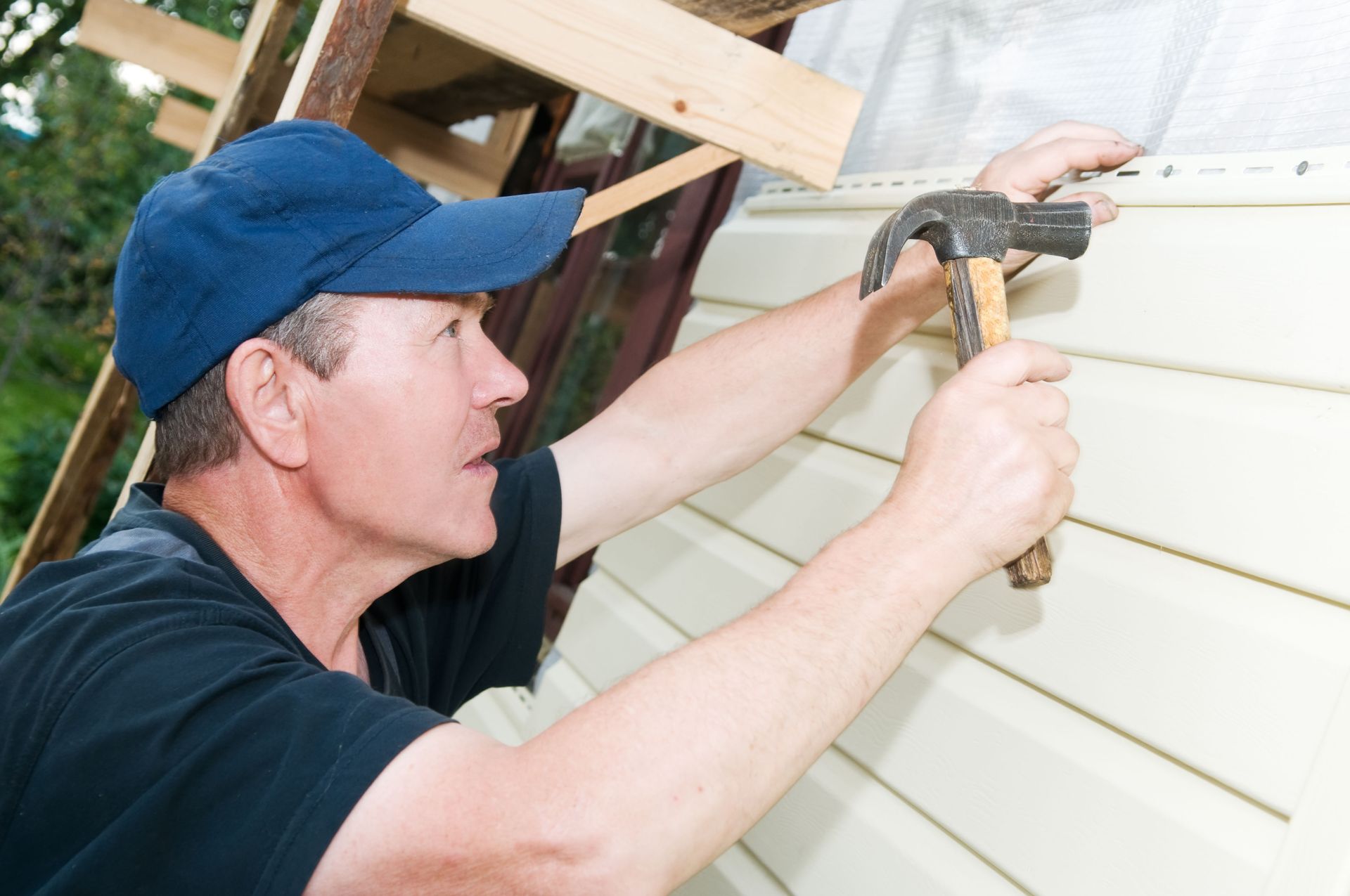
Executing the actual mounting requires specialized tools and technical precision. Specialty fasteners, starter strips, and J-channels anchor each panel securely while allowing natural movement. Panels must expand and contract as temperatures shift throughout the changing seasons. Fastening panels too tightly causes ugly buckling, whereas loose attachments risk wind detachment during strong storms.
Deciding between hiring professionals or undertaking a do-it-yourself project involves evaluating project scale and technical risk. Self-installation may seem economical, but improper technique risks voiding manufacturer warranties and trapping moisture inside exterior walls. Professional crews possess the specialized staging, cutting equipment, and trade expertise needed to complete installations safely and correctly. Choosing expert assembly ensures your exterior performs reliably for decades.
Debunk Common Vinyl Myths
Reputable siding contractors often address common misconceptions that cause homeowners to overlook vinyl cladding. A widespread myth claims that synthetic panels are flimsy and easily damaged by severe weather. Early iterations from previous generations may have lacked strength, but contemporary vinyl features impact-resistant compounds designed to endure heavy winds, hail, and extreme temperatures.
Another common myth involves aesthetic limitations. Critics often assume synthetic panels look cheap or offer predictable, monotonous appearances. Contemporary options feature rich textures, deep shadow lines, and dynamic color palettes that convincingly mirror authentic wood or stone. Integrated color retention technology keeps hues vibrant despite intense solar exposure, eliminating the need for frequent repainting or surface refinishing.
Environmental impact and maintenance difficulties represent other points of confusion that deserve clarification. Modern manufacturing facilities recycle scrap materials, creating an efficient production process. Vinyl panels do not require chemical stains, paints, or toxic sealants throughout their service life. Simple cleaning routines restore the exterior without introducing harsh runoff into local soil, making it a responsible choice for modern homeowners.
Maintain Exterior Surfaces Properly
Reliable siding contractors advise homeowners that maintaining synthetic exteriors requires minimal effort compared to other cladding options. Annual rinsing with standard water hoses removes loose surface dust and atmospheric pollutants before accumulation occurs. Mild soap solutions applied with soft-bristle brushes easily lift stubborn dirt patches without scratching protective outer coatings.
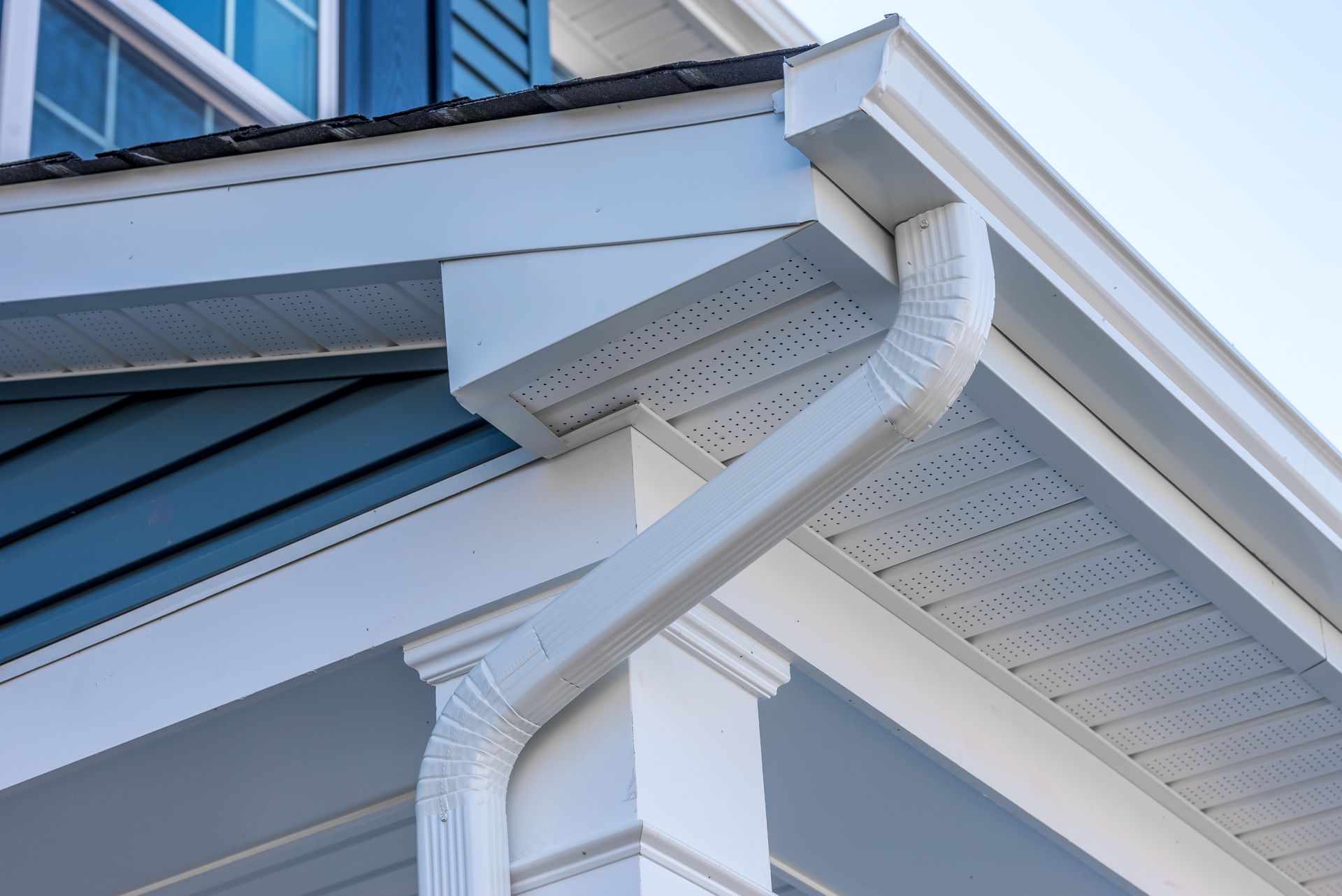
Preventing organic growth like mildew or mold requires basic routine vigilance. Shaded exterior sections receiving minimal sunlight can foster moisture buildup if surrounding vegetation blocks airflow. Trimming nearby tree branches and washing affected areas with diluted vinegar solutions eliminates spores naturally. Keeping rain gutters clear prevents water overflow from cascading down panels and creating damp environments.
Addressing minor damage quickly preserves wall integrity and prevents localized problems from expanding. Small punctures or subtle hairline cracks can be sealed using matching exterior caulking compounds. Larger damaged sections are unclipped using specialized zip tools and replaced without dismantling surrounding wall areas. Regular seasonal inspections allow property owners to spot small issues early and keep surfaces pristine.
Compare Different Material Options
Many siding contractors suggest comparing materials directly to determine the best match for your budget and lifestyle. Natural wood offers undeniable historic charm, but demands continuous scraping, painting, and pest management. Vinyl provides a comparable visual appeal without forcing homeowners into endless maintenance cycles or costly repair bills.
Metal options present strong weather resistance and modern industrial appeal, but carry distinct drawbacks. Metal panels can dent under heavy impacts and are prone to corrosion if protective coatings scratch off. Synthetic panels resist denting, will never rust, and offer a softer, more traditional aesthetic that fits standard residential neighborhoods effortlessly.
Fiber cement stands out for durability, yet its heavy composition complicates installation and raises overall labor costs. Fiber cement also requires periodic repainting over time to maintain its appearance. Lightweight synthetic panels simplify transport and mounting, reducing labor overhead while eliminating the need for future paint applications.
Evaluate Long-Term Financial Impacts
Evaluating long-term economic factors reveals that synthetic panels deliver exceptional return on investment. Upfront installation costs remain lower than most alternative materials, freeing up capital for other home improvement projects. Minimal upkeep requirements eliminate recurring expenses for professional painting, sealing, or pest treatments over the system's lifespan.
Energy efficiency contributions enhance overall economic value throughout every season. Insulated backing prevents thermal bridging through wall studs, keeping indoor temperatures stable during summer heatwaves and winter freezes. Lower energy consumption translates directly into reduced monthly utility costs, offering financial relief while decreasing household carbon footprints.
Curb appeal improvements directly boost property resale value when placing your home on the real estate market. Potential buyers value low-maintenance exteriors that look attractive without promising heavy weekend chores. Upgrading old, worn cladding creates an inviting first impression that increases buyer interest and reinforces structural confidence across the entire property.
Working with skilled siding contractors ensures your exterior renovation project delivers lasting beauty, protection, and value. Synthetic cladding continues to dominate the home improvement market by combining affordability, low maintenance, and diverse design choices. Understanding product options and installation requirements empowers you to make smart choices for your home.
Partnering with experienced professionals guarantees that your investment is installed according to strict industry standards. Quality workmanship protects your home against moisture intrusion, wind damage, and thermal loss for years to come. Contact us today at Seal-Rite Roofing & Siding so we can help you choose and install the perfect exterior solution for your home.